
Dry Skin Moisturizer vs Oil Free Moisturizer: Which One Is Right for Your Skin?
Finding the right moisturizer can be confusing, especially when your skin needs hydration but you also want to avoid a greasy or heavy feeling. If you are searching for the best dry skin moisturizer or wondering whether an oil free moisturizer can provide enough hydration, understanding your skin's needs is the first step. A good moisturizer does more than simply make your skin feel soft. It helps support the skin's moisture barrier, reduces the feeling of dryness and tightness, and keeps the skin looking healthier and more comfortable. In this guide, we explain the difference between a moisturizer for dry skin and an oil free moisturizer, how to choose the right formula for your skin type, and how hydrating ingredients such as hyaluronic acid can fit into your skincare routine. Discover more skincare essentials from Aesthetikos and build a routine that supports your skin's individual needs.
What Is a Dry Skin Moisturizer?
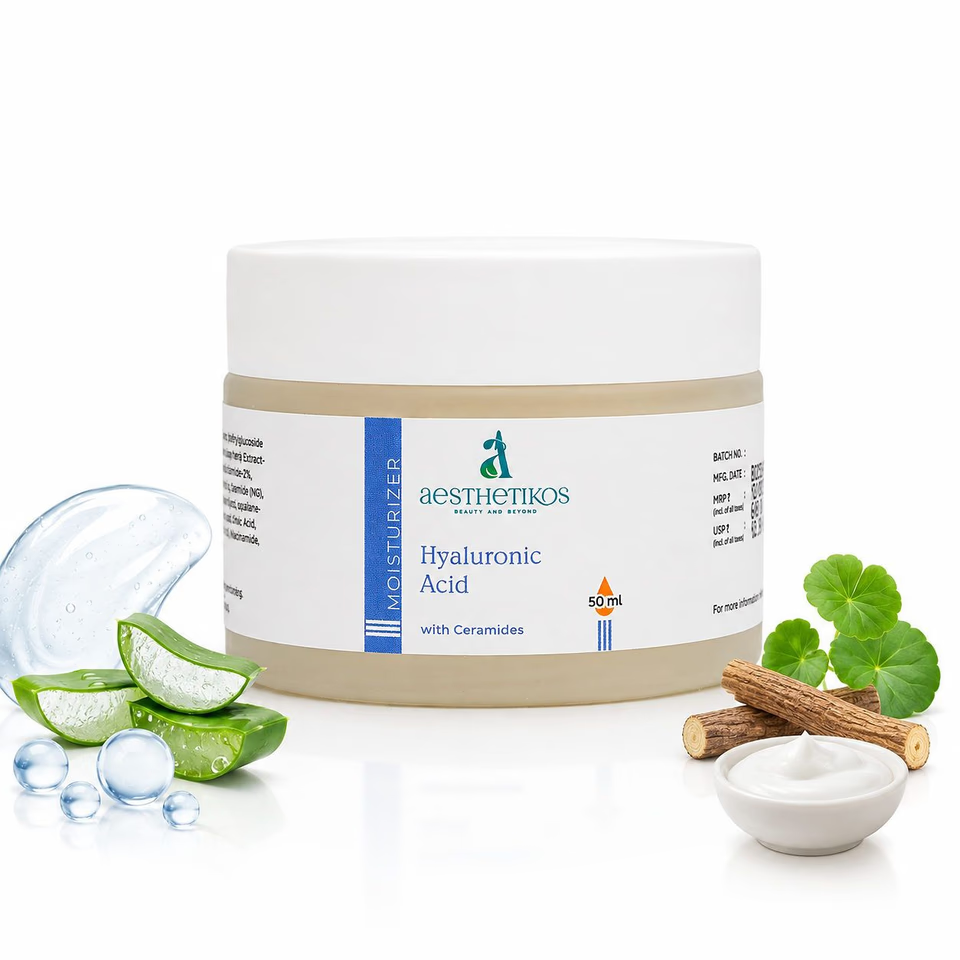
A dry skin moisturizer is designed to provide and retain moisture while helping the skin feel softer, smoother, and more comfortable. Dry skin often feels tight, rough, flaky, or less supple because it may struggle to maintain adequate moisture and support its protective barrier. The best moisturizer for dry skin generally focuses on three important functions: • Attracting hydration to the skin • Supporting the skin barrier • Reducing moisture loss Depending on the formula, a moisturizer for dry skin may contain ingredients that help draw water into the skin and keep it feeling hydrated for longer. For example, a hyaluronic acid moisturizer can be a useful addition to a hydration-focused skincare routine because hyaluronic acid is known for its ability to attract and retain moisture. Explore the Aesthetikos Hyaluronic Acid Moisturizer as part of your daily skincare routine.
What Is an Oil Free Moisturizer?
An oil free moisturizer is formulated without traditional oils while still helping provide hydration to the skin. Many people assume that an oil-free formula cannot effectively moisturize, but hydration and oiliness are not the same thing. An oil free face moisturizer can be particularly appealing to people who: • Prefer lightweight skincare textures • Have combination or oily skin • Want hydration without a heavy or greasy feel • Layer multiple skincare products • Prefer a comfortable daytime moisturizer The right oil free moisturizer can help provide hydration while maintaining a lighter feel on the skin.
Dry Skin Moisturizer vs Oil Free Moisturizer: What's the Difference?
The biggest difference is not always about whether a moisturizer can hydrate the skin. Instead, it is often about the texture, formulation, and specific skin concerns it is designed to address.
Dry Skin Moisturizer
A moisturizer formulated for dry skin may focus more heavily on helping the skin feel nourished and reducing the feeling of tightness or roughness. It may be suitable for people experiencing: • Dry or rough skin • Flaky-looking skin • Tightness after cleansing • Seasonal dryness • A feeling of insufficient hydration
Oil Free Moisturizer
An oil free moisturizer is often chosen for its lightweight and non-heavy feel. It can provide hydration without adding the richer texture that some people may prefer to avoid. It may be suitable for: • Oily skin • Combination skin • People who prefer lightweight moisturizers • Those looking for a non-greasy daily moisturizer The key is to choose a moisturizer based on your skin's individual hydration needs rather than assuming that all dry skin requires a heavy formula or that oily skin does not need moisture.
Can People With Dry Skin Use an Oil Free Moisturizer?
Yes, in many cases, people with dry skin can use an oil free moisturizer. The most important factor is whether the formula provides sufficient hydration and comfort for their skin. A lightweight moisturizer containing effective hydrating ingredients can still be beneficial for dry or dehydrated skin. For example, products featuring ingredients such as hyaluronic acid can help support a hydration-focused routine. The best approach is to consider: • How your skin feels after cleansing • Whether your skin feels tight or uncomfortable during the day • The texture you prefer • Your overall skincare routine • Environmental factors such as weather and air conditioning You can also combine different hydration-focused products as part of your routine. For an added hydration step, consider the** Aesthetikos Hyaluronic Acid & Pentavitin Serum** before applying your moisturizer.
How to Choose the Best Moisturizer for Dry Skin
When looking for the best moisturizer for dry skin, focus on ingredients and formulation rather than simply choosing the thickest cream available.
Look for Hydrating Ingredients
Ingredients such as hyaluronic acid are commonly included in skincare products designed to support hydration.
A Hyaluronic Acid Moisturizer can be incorporated into a routine designed to help the skin feel hydrated and comfortable.
Consider Your Skin Type
Dry skin and dehydrated skin are not always the same. You may have oily or combination skin that also experiences dehydration. This is why a lightweight **oil free moisturizer **may still be suitable for certain people who experience dryness or tightness.
Choose a Texture You Will Use Consistently
The best skincare routine is one you can follow regularly. Some people prefer rich creams, while others prefer lightweight lotions or gel-based textures. Choose a moisturizer that feels comfortable enough for daily use.
Think About Your Complete Skincare Routine
Your cleanser, serum, moisturizer, and sunscreen all work together. A hydration-focused routine may include:
- A gentle cleanser
- A hydrating serum
- A suitable moisturizer
- Daily sunscreen during the daytime
A Simple Skincare Routine for Dry and Dehydrated Skin
Step 1: Cleanse Gently
Start with a cleanser that suits your skin type and routine. You can explore skincare options such as the Aesthetikos Hyaluronic Acid Facewash for a hydration-focused cleansing step. Another option to explore is the Vitamin C Facewash.
Step 2: Apply a Hydrating Serum
After cleansing, a hydrating serum can be applied before moisturizer. The Hyaluronic Acid & Pentavitin Serum can be considered as part of a hydration-focused skincare routine. For a different skincare focus, you can also explore the Aesthetikos HA Royal Jelly Serum.
Step 3: Apply Your Moisturizer
Choose a moisturizer based on your skin's needs. For hydration-focused skincare, consider the Hyaluronic Acid Moisturizer. For those looking to incorporate vitamin C into their moisturizing routine, explore the Vitamin C Moisturizer.
Step 4: Apply Sunscreen During the Day
Moisturizing is only one part of a complete daytime skincare routine. Sunscreen should also be considered for daytime skincare. Explore the Aesthetikos Vitamin C Sunscreen or Royal Jelly Sunscreen based on your skincare preferences.
Is an Oil Free Moisturizer Good for Oily Skin?
Yes, an oil free moisturizer for oily skin can be a popular choice for people who want hydration without a rich or greasy texture. One common misconception is that oily skin does not require moisturizer. However, all skin types can benefit from an appropriate hydration routine. People with oily skin may prefer moisturizers that feel: • Lightweight • Comfortable • Easy to layer • Non-heavy • Suitable for everyday use The best oil free **moisturizer for oily skin **should fit comfortably into your overall skincare routine.
Can Combination Skin Use an Oil Free Moisturizer?
Yes. Combination skin can often benefit from a lightweight moisturizer, especially when different areas of the face have different needs. For example, the T-zone may feel oilier while the cheeks may feel normal or dry. In such cases, the goal is not necessarily to choose the richest moisturizer available. Instead, look for a formula that provides comfortable hydration without making the skin feel unnecessarily heavy.
Dry Skin vs Dehydrated Skin: Why the Difference Matters
The terms dry skin and dehydrated skin are often used interchangeably, but they do not always describe exactly the same condition. Dry skin generally refers to a skin type that may produce less natural oil, while dehydration refers to a temporary lack of adequate water in the skin. This means that: • Dry skin may benefit from consistent moisturization • Oily skin can also become dehydrated • Combination skin may experience dehydration • A hydrating routine can be important across different skin types This is one reason why both dry skin moisturizers and oil free moisturizers can have a place in modern skincare routines.
Ingredients to Look for in a Dry Skin Moisturizer
When choosing a moisturizer, consider ingredients that align with your skincare needs.
Hyaluronic Acid
Hyaluronic acid is widely used in skincare products focused on hydration. You can explore Aesthetikos Hyaluronic Acid Moisturizer as part of a hydration-focused routine.
Vitamin C
Vitamin C is commonly included in skincare products designed for broader skincare benefits and can be found across different types of routines.
Supporting Ingredients
Different formulations may also include additional ingredients designed to complement hydration, texture, or overall skincare goals. The most suitable formula depends on your individual skin type, preferences, and routine.
Common Mistakes People Make When Choosing a Moisturizer
###Choosing a Moisturizer Only Based on Skin Type Labels Your skin can change depending on weather, lifestyle, skincare products, and environmental factors. Pay attention to how your skin actually feels. ###Avoiding Moisturizer Because Your Skin Is Oily Oily skin can still need hydration. A lightweight or oil free moisturizer may be more comfortable than a heavy cream. ###Using Too Much Product Applying more product does not necessarily provide better results. Follow the recommended usage instructions for the product you choose. ###Ignoring the Rest of Your Routine Your cleanser, serum, moisturizer, and sunscreen should work together. For example, people dealing with specific concerns may explore products such as the Salicylic Acid Serum as part of a routine suited to their skincare needs.
Which Is Better:** A Dry Skin Moisturizer** or an Oil Free Moisturizer?
There is no single moisturizer that is perfect for everyone. A dry skin moisturizer may be a better choice if your skin frequently feels: • Tight • Rough • Dry • Uncomfortable An oil free moisturizer may be a better fit if you: • Prefer lightweight textures • Have oily or combination skin • Want hydration without a heavy feel • Prefer layering multiple skincare products Ultimately, the right moisturizer depends on your individual skin needs and how the product fits into your overall skincare routine.
Find the Right Moisturizer for Your Skincare Routine
Whether you are looking for a moisturizer for dry skin, a lightweight oil free moisturizer, or a hydration-focused skincare routine, choosing products based on your skin's individual needs can help create a more comfortable and consistent routine. Explore the complete range of skincare products from Aesthetikos and discover products designed to support different skincare routines and preferences. A consistent routine, the right product texture, and suitable hydration can make a meaningful difference in how comfortable and balanced your skin feels.
Frequently asked questions
The best moisturizer for dry skin depends on your individual needs, skin sensitivity, preferred texture, and overall skincare routine. Look for formulas that focus on hydration and help your skin feel comfortable and moisturized.
Yes. An oil free moisturizer can still provide hydration. The key is to choose a formula that provides enough moisture and comfort for your skin.
Yes, many people with oily skin prefer oil free moisturizers because they can provide hydration without a heavy or greasy feel.
Dry skin is generally associated with a skin type that may produce less natural oil, while dehydrated skin refers to a temporary lack of adequate water in the skin. Different skin types, including oily skin, can experience dehydration.
Many hyaluronic acid moisturizers are designed for regular skincare use. Always follow the usage instructions provided with your specific product and consider your individual skin needs.
In most skincare routines, a serum is generally applied before moisturizer. The moisturizer is then used as part of the next step in the routine.
Yes. Oily skin can also experience dehydration, which is why a lightweight moisturizer may still be useful in an oily skincare routine.
Yes. A lightweight moisturizer can generally be used before sunscreen during your daytime skincare routine. Allow skincare products to settle as directed before applying the next product.
Many people moisturize their skin regularly, often as part of their morning and evening skincare routine. The ideal frequency depends on your skin's needs and the product instructions.
Combination skin may benefit from a moisturizer that provides hydration without feeling too heavy. Lightweight and oil free moisturizers can be suitable depending on your skin's individual needs.
Keep reading
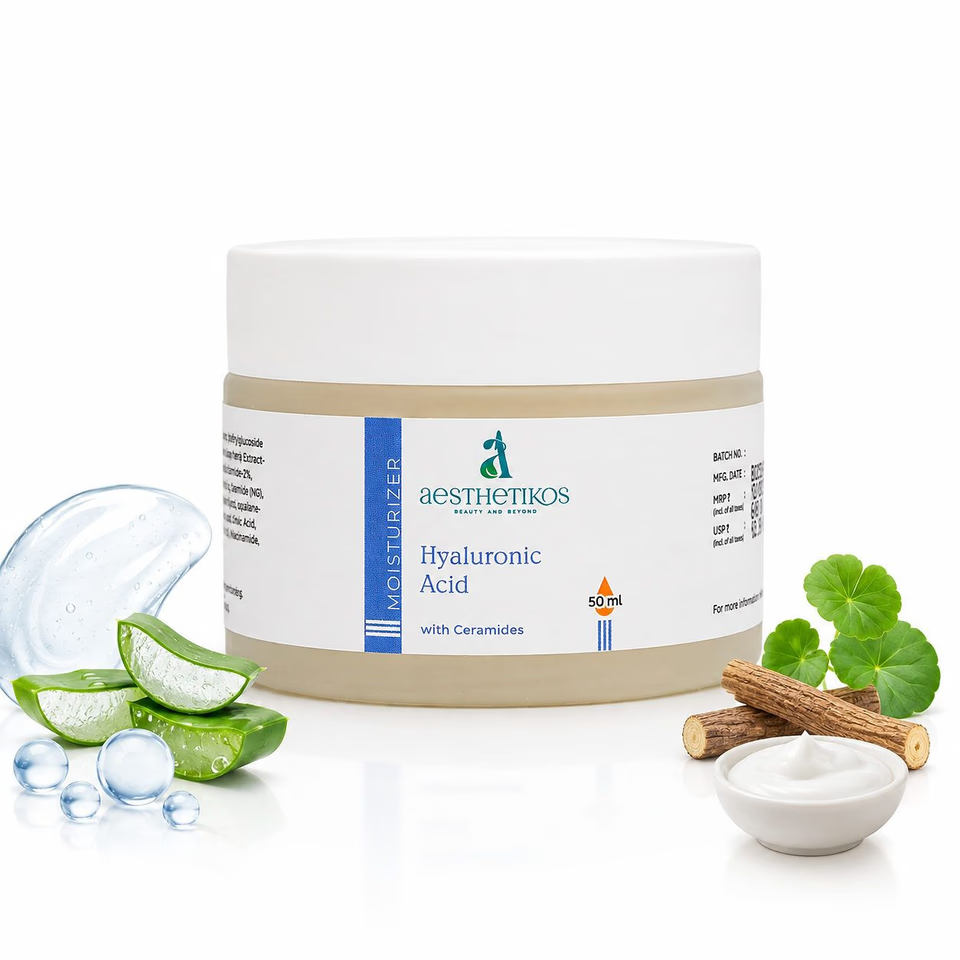
Moisturizer for Oily Skin vs Moisturizer for Dry Skin: How to Choose the Right One
Read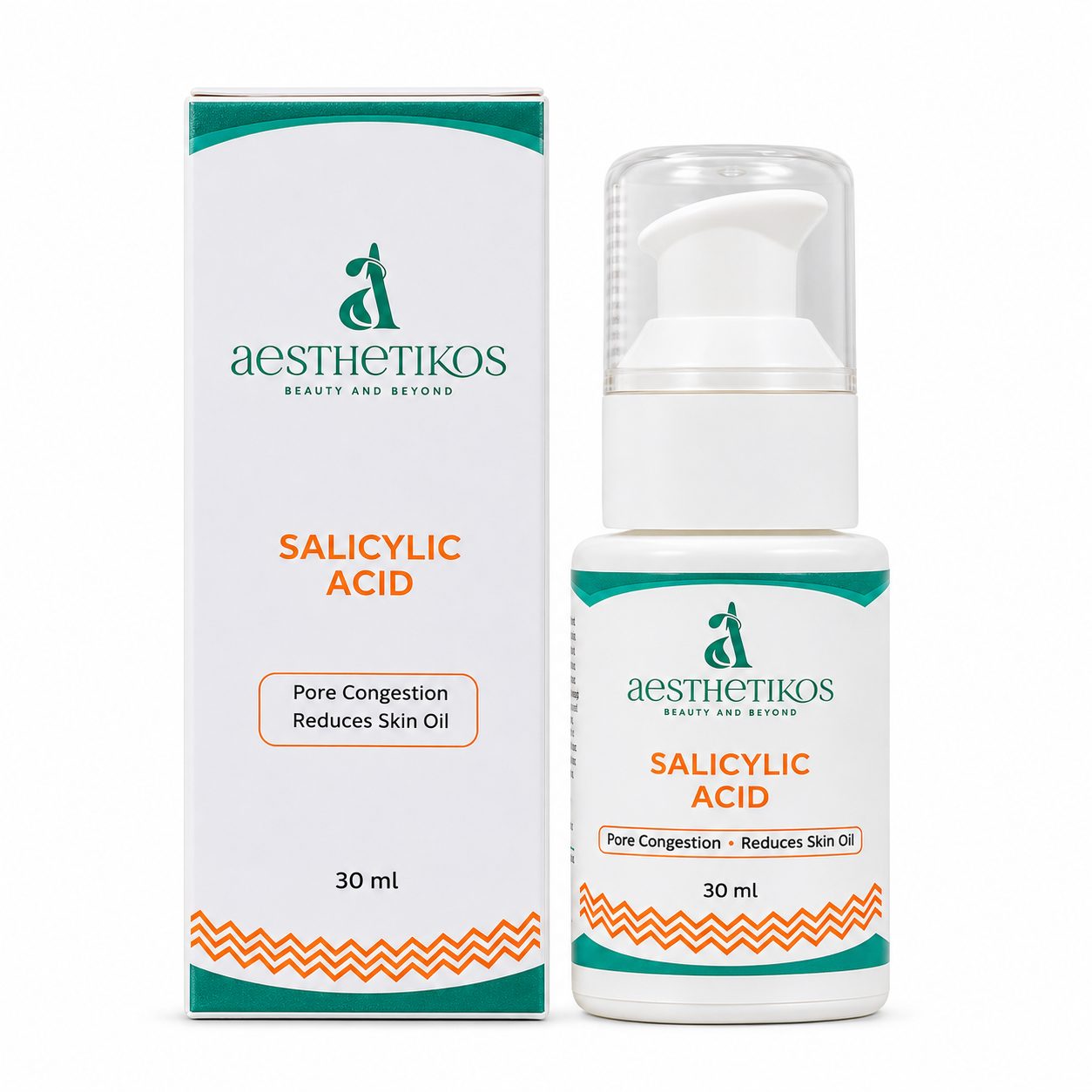
Struggling With Clogged Pores, Blackheads and Excess Oil? Find the Best Salicylic Acid Serum for Your Skincare Routine
Read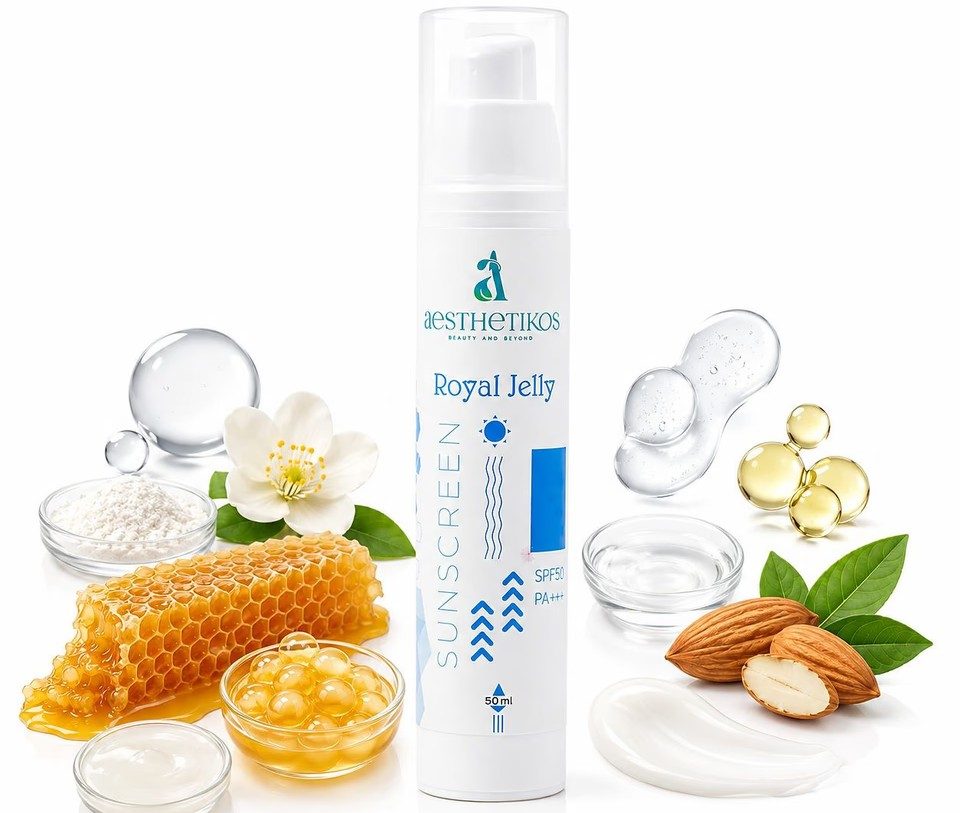
Common Skin Concerns and Sun Exposure: Why Vitamin C Sunscreen Can Be an Important Part of Your Skincare Routine
Read