Moisturizer for Winter: How to Choose the Right Moisturizer for Dry and Healthy-Looking Skin
Winter can be particularly challenging for your skin. Cold weather, dry air, lower humidity, indoor heating, and frequent exposure to hot water can leave the skin feeling dry, tight, rough, and uncomfortable. This is why choosing the right moisturizer for winter is an important part of a seasonal skincare routine. The best winter moisturizer should help provide hydration and support the skin's moisture barrier while offering a comfortable texture for your skin type. However, winter skincare is not the same for everyone. While some people need a richer cream during colder months, others may prefer a lightweight moisturizer that provides hydration without feeling greasy. In this guide, learn how to choose the right moisturizer for winter, understand what your skin needs during colder weather, and build a simple winter skincare routine with the right products. Explore the complete skincare range from Aesthetikos to find products that fit your daily skincare routine.
Why Does Skin Become Dry in Winter?
During winter, the environment can affect how your skin feels. Cold temperatures and lower humidity may contribute to dry, rough, or tight-feeling skin. At the same time, spending more time indoors in heated environments can also make the skin feel less comfortable. Some common signs of winter dryness include: Tight or uncomfortable skin • Rough texture • Flaky or dry-looking areas • Skin that feels less soft and smooth • A need for more frequent hydration • Dryness around the cheeks, nose, or mouth
Using the right winter moisturizer for dry skin can help keep your skincare routine focused on hydration and comfort.
Why Is Moisturizer Important During Winter?
A moisturizer helps support the skin by providing hydration and helping reduce moisture loss. During colder months, your skin may require more attention to maintain a comfortable and healthy-looking appearance. A good moisturizer for winter can help: • Keep the skin feeling hydrated • Reduce the feeling of dryness and tightness • Support the skin's moisture barrier • Improve the feeling of softness and smoothness • Complement the rest of your skincare routine The best choice depends on your skin type, skincare concerns, preferred texture, and how your skin changes during winter.
How to Choose the Best Moisturizer for Winter
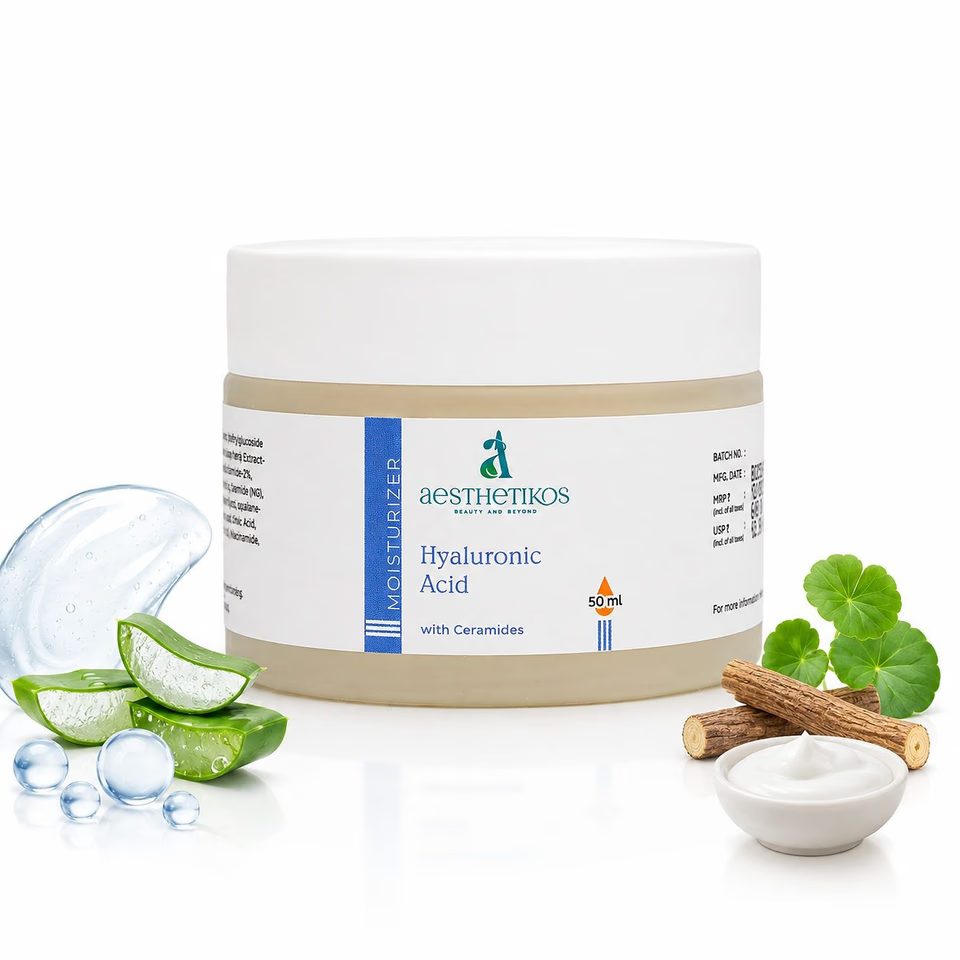
Not every winter moisturizer needs to be extremely thick or heavy. The ideal product is one that provides sufficient hydration while remaining comfortable for your skin. Here are some important factors to consider. Look for skincare ingredients that support hydration. Hyaluronic acid, for example, is commonly used in skincare formulations designed to help attract and retain moisture. The Aesthetikos Hyaluronic Acid Moisturizer can be explored as part of a hydration-focused winter skincare routine.
Consider Your Skin Type
Your winter skincare needs may differ depending on whether your skin is dry, oily, combination, or normal. For Dry Skin Look for a winter moisturizer for dry skin that provides lasting hydration and helps your skin feel comfortable. For Oily Skin Even oily skin can feel dehydrated during winter. A lightweight moisturizer may help provide hydration without creating a heavy or greasy feeling. For Combination Skin Combination skin may require balanced hydration. You may prefer a moisturizer that feels comfortable on both drier and oilier areas of the face.
Choose a Texture That Works for You
During winter, some people prefer richer cream textures, while others prefer lightweight lotions or gel-based formulas. The right texture depends on: • Your skin type • Your local weather conditions • Your daytime or nighttime routine • The other products you use • Your personal comfort and preferences Consistency matters. A moisturizer you enjoy using regularly is more likely to become a part of your everyday skincare routine.
Best Ingredients to Look for in a Winter Moisturizer
When choosing a face moisturizer for winter, ingredients can play an important role in supporting your skincare goals. Hyaluronic Acid Hyaluronic acid is a popular skincare ingredient associated with hydration. A hyaluronic acid moisturizer can be included in a winter routine to help keep the skin feeling hydrated and comfortable. Explore the Aesthetikos Hyaluronic Acid Moisturizer for a hydration-focused skincare step.
Vitamin C
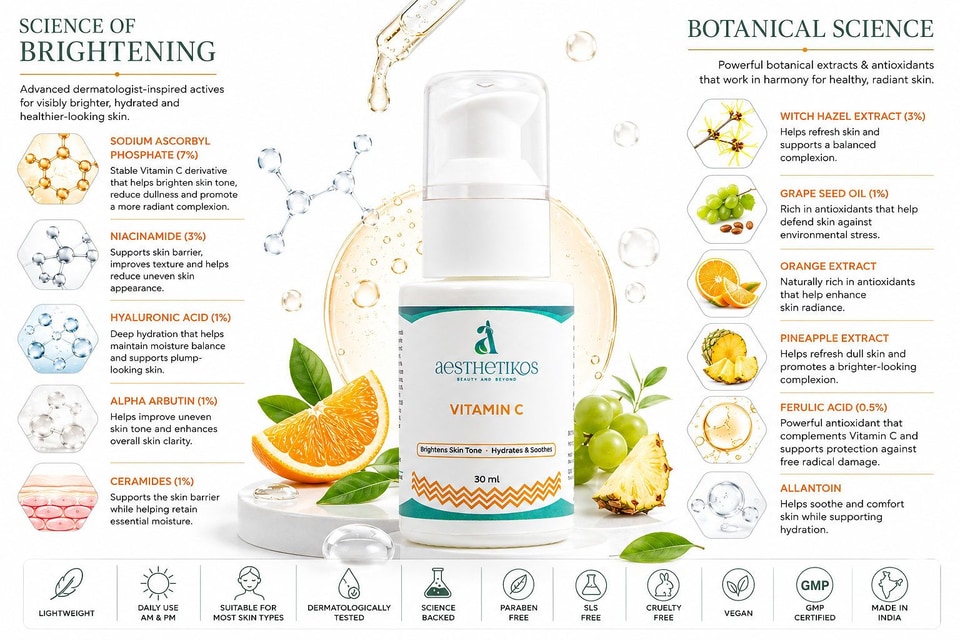
Vitamin C is commonly included in skincare routines and may be used alongside moisturizers as part of a broader approach to skincare.For those using a targeted serum, the Aesthetikos Vitamin C Serum can also be considered before moisturizer.
Hydration-Focused Serums
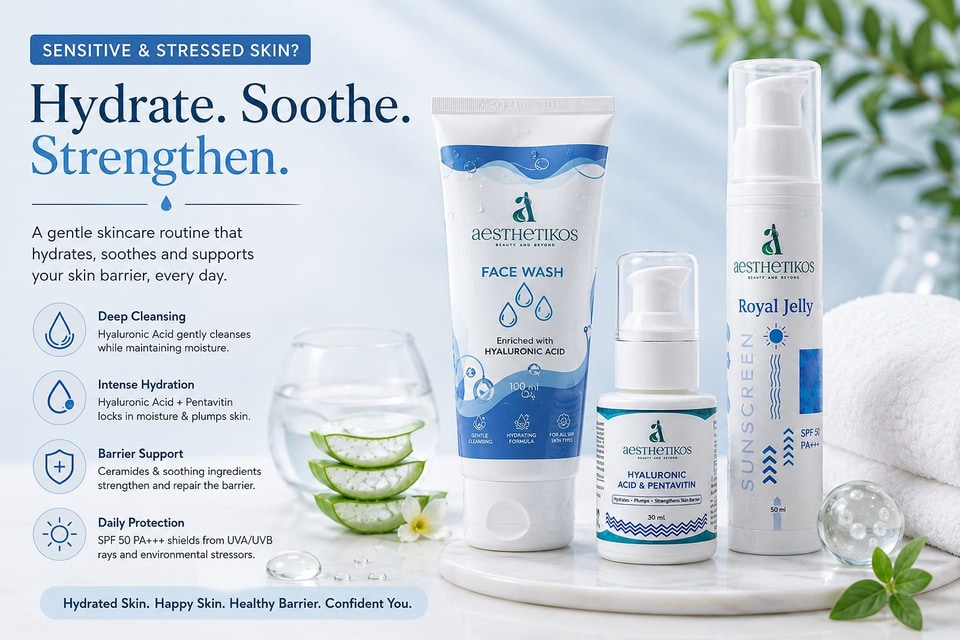
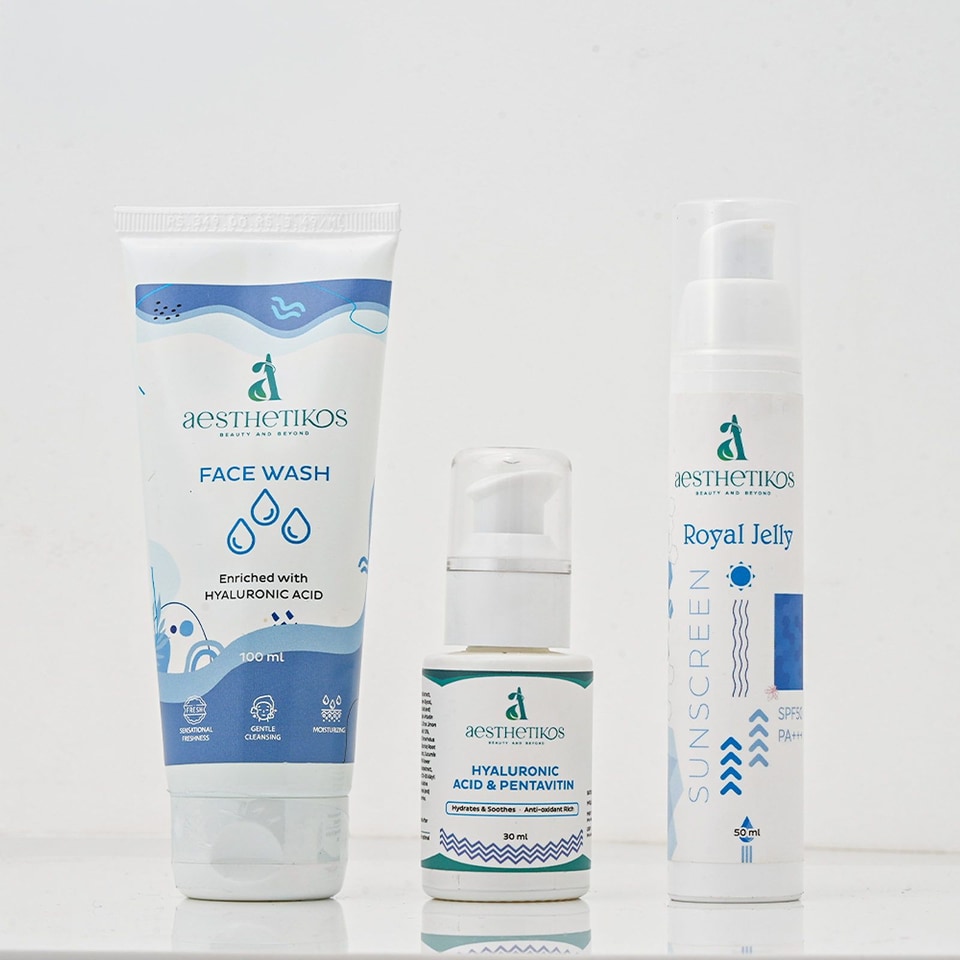
Adding a serum before moisturizer can help create a layered skincare routine. The Aesthetikos Hyaluronic Acid & Pentavitin Serum can be incorporated into a hydration-focused winter routine before applying your moisturizer.
A Simple Winter Skincare Routine
A consistent skincare routine can help your skin feel more comfortable throughout the winter season. Step 1: Start With a Suitable Cleanser Cleansing is the first step in a skincare routine. During winter, consider a cleanser that fits comfortably into your routine.
Step 2: Apply a Hydrating Serum
After cleansing, apply a suitable serum based on your skincare goals. For hydration-focused skincare, consider the Hyaluronic Acid & Pentavitin Serum.
Step 3: Use a Moisturizer for Winter
This is the step where your skin's hydration needs should guide your choice. The Aesthetikos Hyaluronic Acid Moisturizer can be included in a hydration-focused routine. Alternatively, you may explore the Vitamin C Moisturizer, depending on your skincare preferences.
Step 4: Don't Skip Sunscreen
Sunscreen remains an important part of daytime skincare throughout the year, including winter. Cold weather does not mean your daytime skincare routine should automatically exclude sun protection.
Can You Use a Lightweight Moisturizer During Winter?
Yes. A winter moisturizer does not always need to be extremely thick. People with oily or combination skin may still prefer lightweight moisturizers during colder weather. The key is to ensure that the product provides enough hydration for your skin's changing seasonal needs. A lightweight moisturizer for winter may be suitable if you: • Prefer non-greasy skincare • Have oily or combination skin • Layer serums and other skincare products • Want a comfortable daytime moisturizer • Experience mild seasonal dryness Pay attention to how your skin feels and adjust your routine when necessary.
Can Oily Skin Become Dry During Winter?
Yes. Oily skin can also experience seasonal dryness or dehydration. Oiliness and hydration are not the same thing. Even if your skin naturally produces more oil, environmental changes during winter may affect how hydrated or comfortable your skin feels. This is why an appropriate moisturizer can still be an important part of a skincare routine for oily skin during winter. People with oily skin may prefer a: • Lightweight moisturizer • Non-heavy formula • Comfortable daily moisturizer • Hydration-focused product
Common Winter Skincare Mistakes to Avoid
Using Very Hot Water
Hot water may feel relaxing during winter, but frequent exposure can leave the skin feeling dry. Lukewarm water may be a more comfortable option for your skincare routine.
Skipping Moisturizer
Some people skip moisturizer because their skin is naturally oily. However, oily skin can still need hydration.
Using Products That Feel Too Heavy
A rich moisturizer is not automatically the best choice for everyone. Choose a texture that works with your skin type.
Forgetting Sunscreen
Winter skincare should still include appropriate daytime sun protection.
Changing Too Many Products at Once
If you are introducing new skincare products, it may be helpful to avoid changing your entire routine at once. This can make it easier to understand how individual products fit your skincare needs.
Winter Skincare Tips for Dry Skin
If your skin becomes noticeably dry during colder months, consider these simple skincare habits:
Moisturize Regularly
Use a moisturizer consistently as part of your daily skincare routine.
Apply Products in the Right Order
A common skincare routine includes: Cleanser → Serum → Moisturizer → Sunscreen (during the day)
Support Your Skin With Hydration-Focused ProductsLayering suitable skincare products may help create a more complete hydration-focused routine.
Adjust Your Routine When the Season Changes
Your skin may have different needs during summer and winter. Pay attention to changes in dryness, texture, and overall comfort.
How Often Should You Use Moisturizer in Winter?
Many people use moisturizer as part of both their morning and evening skincare routine. However, the ideal frequency can depend on: • Your skin type • Your environment • Your daily routine • Your skincare products • Your individual comfort level Always follow the instructions provided with your chosen skincare product.
Finding the Right Moisturizer for Your Winter Skincare Routine
Choosing the right moisturizer for winter is about understanding your skin's changing needs. While dry skin may require additional attention during colder weather, oily and combination skin can also benefit from appropriate hydration. Whether you prefer a lightweight formula or a more nourishing-feeling moisturizer, focus on products that fit your skin type and feel comfortable enough for regular use. For a hydration-focused skincare routine, explore the Aesthetikos Hyaluronic Acid Moisturizer. You can also explore the wider range of skincare products at Aesthetikos to build a routine suited to your skincare needs. A consistent winter skincare routine can help your skin feel hydrated, comfortable, and well cared for throughout the colder months.
Frequently asked questions
The best moisturizer for winter depends on your skin type and individual skincare needs. Look for a formula that provides adequate hydration and feels comfortable on your skin.
Yes, moisturizer can be an important part of a winter skincare routine. Cold and dry environmental conditions may leave the skin feeling dry or tight, and regular moisturization can help support hydration.
A moisturizer formulated to support hydration can be suitable for dry skin during winter. Ingredients such as hyaluronic acid are commonly used in hydration-focused skincare routines.
Yes. Oily skin can still experience dehydration or seasonal dryness. A lightweight moisturizer may be suitable for people who prefer hydration without a heavy feel.
A hyaluronic acid moisturizer can be included in a winter skincare routine focused on hydration. Follow the product's instructions and choose products that suit your individual skin needs.
Not necessarily. Some people prefer richer moisturizers during winter, while others find lightweight formulas more comfortable. The best choice depends on your skin type and hydration needs.
Many people moisturize as part of their morning and evening skincare routine. The ideal frequency depends on your skin type and the product instructions.
Yes. In a typical daytime skincare routine, moisturizer is applied before sunscreen.
Yes. Environmental changes during winter may affect how combination skin feels. Some areas may become drier while other areas remain oily.
For a basic nighttime routine, moisturizer is often one of the final skincare steps. The order of products may vary depending on the specific products you use and their instructions.